By Eric Strickland
What comes after a season of growth?
For most business owners, that question arrives with more weight than they expected. It’s not just about the next opportunity. It’s about the team they’ve built, the culture they’ve shaped and what happens to all of it when they’re ready to step back.
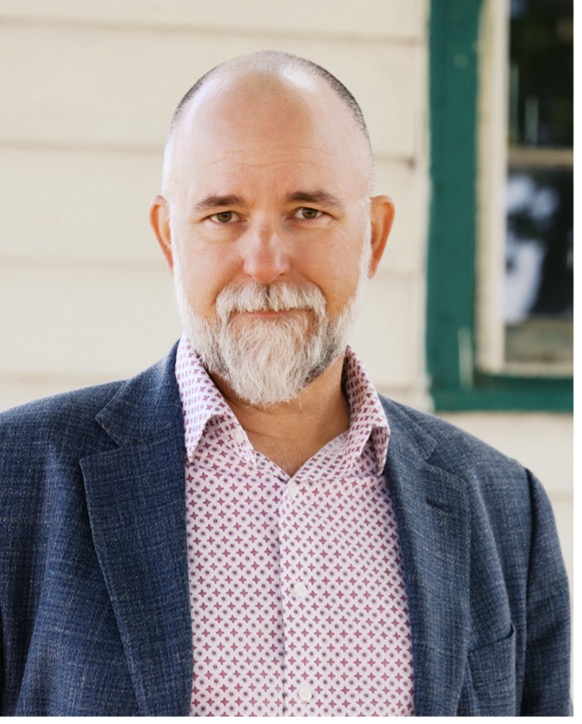
I’ve sat across the table from hundreds of business owners who have asked some version of this question, and I’ve lived it myself. As October marks Employee Ownership Month, I want to tell you why I believe every business leader should consider employee ownership as they think about their next chapter, and how it comes back to two people for me: my parents, Butch and Nancy.
They worked in the carpet industry for over 45 years, dad as a machine mechanic and mom as an administrative assistant. They did everything right. They showed up, worked hard and built a life. Yet, they retired with about $82,000 in savings.
Today, I lead one of the fastest-growing employee-owned holding companies in the country, 3LS Inc., Our family of 27 Changemaker companies is focused on doing good and growing good in the world. We’ve got a team of nearly 1,500 employee-owners, many of whom are frontline workers serving kids and families.
These are people like my parents: they show up each and every day, working hard to build better futures for the children, families and communities they serve. I think about that $82,000 that my parents retired with. When the average retirement account balance at our company crossed that same threshold a few years ago, I stopped calling it a financial milestone. I called it a dignity milestone: the moment where effort becomes ownership, ownership becomes stability and stability begins to create generational opportunity.
That’s what employee ownership can do.
Here’s the reality: we are in the middle of the largest ownership transfer in American history. McKinsey estimates that by 2035, roughly six million small and mid-size businesses will be on the market as Baby Boomer owners retire. In Tennessee alone, there are currently 95 employee-owned companies covering nearly 67,000 employees and $14.1 billion in total plan assets. While momentum is building, there is still enormous room to grow.
An employee stock ownership plan (ESOP) is an employer-sponsored benefit plan that gives employees an ownership stake in the business where they work. For business owners, it offers a meaningful alternative to a traditional sale: one that allows a gradual or full exit, significant tax advantages and the ability to preserve the culture and legacy of what you’ve built for the people who helped you build it.
It’s not the right fit for every company. As I’ve said before, employee ownership is rewarding but it’s complicated just like any meaningful investment in people and the future of a business. And there are questions every owner should ask before exploring this path:
● Do you care what happens to the business after you’re gone?
● Do you want a transition or a transaction?
● Is your company profitable enough to support employee ownership?
● Do you have the leadership team in place to carry things forward?
If the answers to those questions lean toward yes, the next step is a conversation. This could be with experts or it could be with other employee-owned companies.
At 3LS Inc., we have lived this model, built inside it and grown through it. And one of the things we’ve learned is that acquisition is often one of the fastest and most practical paths to employee ownership. For business owners who are ready to transition but aren’t starting from scratch, being acquired by an existing employee-owned company can mean landing your team inside a structure that’s already built to take care of them—with experienced leadership, shared resources and a culture of ownership already in place.
For Nashville business leaders who want to learn more, the Tennessee Center for Employee Ownership (TNCEO) is one of the best starting points. It exists specifically to support owners, employees and communities in exploring and pursuing employee ownership and it’s rooted right here in Middle Tennessee. They have a number of events and resources to help you think through whether employee ownership could be the exit and growth strategy for you.
The question of what comes after a season of growth doesn’t have to lead to a quiet exit and a check. It can lead to a business legacy that outlasts you and that takes care of the people who made it possible. That’s worth considering.
Eric Strickland is the President and CEO of 3LS Inc., a Nashville-headquartered family of 27 employee-owned Changemaker companies with nearly 1,500 employees.